
JAMB sets up special committee to probe high-tech exam malpractice
By Uji A Iliyasu, Abuja
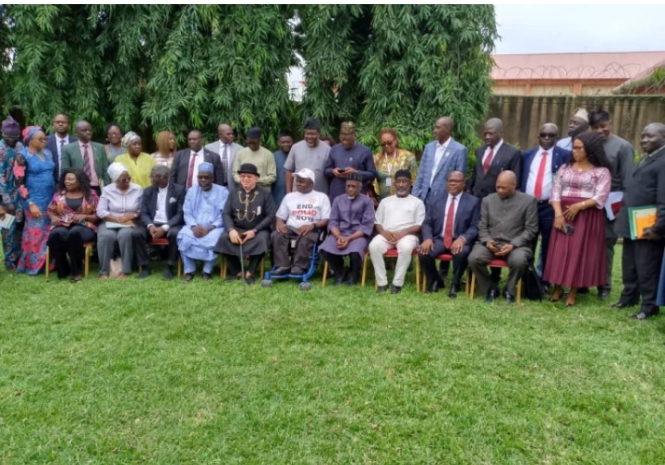
The Joint Admissions and Matriculation Board (JAMB) has inaugurated a 23-member Special Committee on Examination Infraction to investigate technology-driven malpractice uncovered during the 2025 Unified Tertiary Matriculation Examination (UTME).
Speaking at the inauguration on Monday in Abuja, JAMB Registrar, Prof. Ishaq Oloyede, expressed concern over the rising sophistication of examination fraud, disclosing that the results of 6,458 candidates remain under investigation for alleged involvement in high-tech cheating.
“This year we came across a number of strange developments and felt it necessary to expand our resources. We believe that God has endowed this nation with many experts we can tap into,” Oloyede said.
He explained that malpractice had moved beyond traditional schemes into “technologically sophisticated forms”, including biometric and identity fraud involving some accredited CBT centres and candidates.
Oloyede stressed that urgent action was needed to safeguard the credibility of examinations.
“Examination malpractice is something that we must fight with every pinch of blood in our veins,” he declared, warning that unchecked fraud could harm several sectors and damage Nigeria’s international reputation.
While 141 cases of conventional malpractice have already been referred to JAMB’s disciplinary committee, the new body will handle “extraordinary infractions” such as image blending, albinism falsification, finger pairing, and attempts to compromise some CBT centres’ Local Area Networks.
Terms of Reference
The Registrar outlined the committee’s mandate as follows:
Investigate all cases of image blending, finger blending, false claims of albinism and result falsification in the 2025 UTME.
Identify the methods, patterns, tools, and technologies used to perpetrate these infractions.
Review current examination and registration policies and recommend improvements.
Determine the culpability of each of the 6,458 suspected candidates whose results remain withheld, excluding the albinism group.
Recommend appropriate disciplinary actions against individuals or groups found culpable.
Propose a proactive framework for the detection, deterrence and prevention of technologically enabled examination fraud in future.
Consider and advise on any related matters.
Submit a report within three weeks.
“We have chosen three weeks because justice delayed is justice denied. In about four weeks, admissions will close, and those not guilty deserve the opportunity,” Oloyede added.
Committee Pledges Integrity
In his response, committee chairman, Dr Jake Epele, commended Oloyede’s leadership and vowed to approach the task with dedication.
“Examination malpractice is not merely a breach of rules; it is a direct assault on integrity, merit, and the future of our youth. This task is sacred. Every member here has a call from God Almighty — to defend the credibility of our examinations, restore public confidence, and ensure diligence and honesty remain the true pathway to opportunity. I assure you that I will lead this committee with fairness, transparency and determination,” he said.
The committee includes academics such as Prof. Muhammad Bello, Prof. Samuel Odewummi, Prof. Chinedum Nwajiuba, Prof. Tanko Ishaya and Prof. Ibe Ifeakandu; retired Police Commissioner Fatai Owoseni; Dr Chuks Okpaka of Microsoft Africa; and the President of the National Association of Nigerian Students (NANS).
Also represented are the Office of the National Security Adviser, Department of State Services, Nigeria Police Force, and the National Association of Proprietors of Private Schools, among others.