
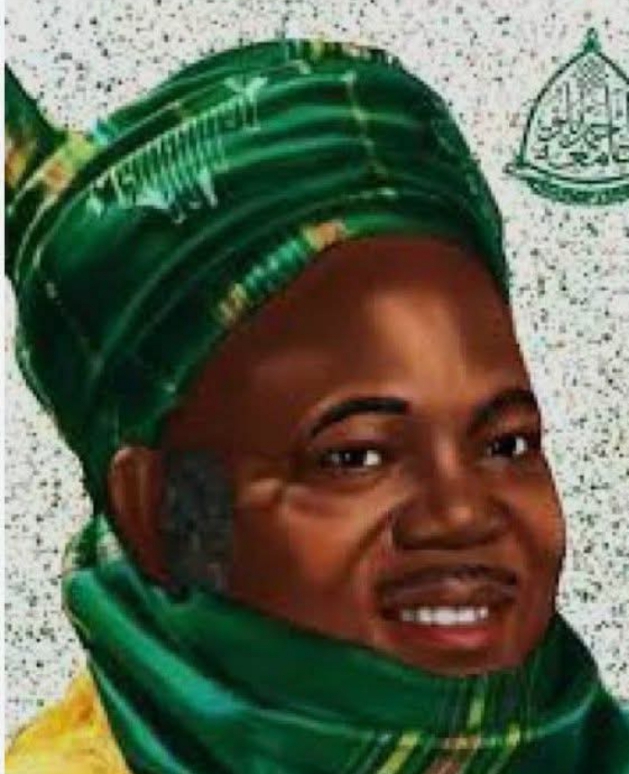
Gov Ahmed Aliyu: Walking in the footsteps of Sardauna Ahmadu Bello
By Lawal Jet Kaugama
Leadership is best measured not by rhetoric but by values, vision, and consistency of purpose. In recalling the life and ideals of Sir Ahmadu Bello, the Sardauna of Sokoto, Governor Ahmed Aliyu Sokoto has done more than paying tribute to a historical figure; he has positioned himself within a tradition of leadership that prioritises service, integrity, unity, and long-term development. His recent reflection on the Sardauna’s legacy is both timely and instructive, particularly at a moment when Northern Nigeria is searching for renewed direction and confidence.
Sir Ahmadu Bello remains, decades after his assassination, a moral compass for leadership in Nigeria. He was a man of deep conviction, disciplined habits, and unwavering commitment to the collective progress of his people. By urging today’s leaders to emulate these sterling qualities, Governor Aliyu demonstrates a rare understanding that development is not merely about projects and policies, but about character and values. This perspective alone sets him apart in a political environment often dominated by short-term gains and personal ambition.
Governor Aliyu’s admiration for the Sardauna is not superficial or symbolic. His emphasis on simplicity, integrity, fear of God, and selflessness mirrors the very principles that guided Sir Ahmadu Bello’s leadership of the old Northern Region. These were the qualities that enabled the Sardauna to rise above tribal, religious, and sectional divisions, forging a sense of shared destiny among a highly diverse population.
In echoing these ideals, Governor Aliyu signals his commitment to inclusive governance and detribalised leadership, an approach the North desperately needs in the face of contemporary social and security challenges.
One of the most striking aspects of the governor’s message is his call for leaders to study and adopt the political, economic, and social reforms introduced by Sir Ahmadu Bello. This is a crucial point. The Sardauna did not merely preach unity and development; he institutionalised them. From the establishment of Ahmadu Bello University to the creation of economic pillars such as the Bank of the North and the Northern Nigeria Development Corporation, his leadership was strategic and forward-looking.
Governor Aliyu’s recognition of these legacies suggests a leadership style rooted in planning, institution building, and sustainability rather than ad hoc interventions.
Particularly commendable is Governor Aliyu’s focus on agriculture as a pathway to regional prosperity.
Agriculture was central to the Sardauna’s vision of economic self-reliance, and it remains the North’s greatest untapped strength. By advocating a common platform to revive agricultural development, the governor demonstrates a practical understanding of history and its relevance to present realities. This alignment of past wisdom with current policy needs reflects thoughtful leadership, leadership that learns before it acts.
Furthermore, Governor Aliyu’s reverence for the Sardauna’s promotion of education highlights another important parallel. Sir Ahmadu Bello understood that no society can rise above the quality of its human capital. His championing of Western education, while preserving cultural and religious values, laid the foundation for generations of Northern professionals and leaders. By celebrating this legacy, Governor Aliyu affirms the centrality of education to development and sends a strong message that progress and tradition are not mutually exclusive.
The governor’s tone of humility and reflection also deserves praise. Rather than presenting himself as the solution, he positions himself as a student of history, willing to learn from a leader history hosts dear.
This humility, so characteristic of the Sardauna, is an increasingly rare quality in public office. It builds trust, inspires confidence, and creates moral authority, all of which are essential for effective governance.
In remembering the tragic events of 15 January 1966, Governor Aliyu does not dwell on bitterness or blame. Instead, he draws lessons from history and offers prayers for the departed leader. This balanced approach, acknowledging pain while focusing on purpose, reflects maturity and statesmanship. It reinforces the idea that the best way to honour Sir Ahmadu Bello is not merely through remembrance, but through action guided by his principles.
In essence, Governor Aliyu’s tribute to the Sardauna of Sokoto is also a mirror held up to his own leadership philosophy. By consciously aligning himself with the values of discipline, unity, integrity, and service, he demonstrates a desire to walk in the footsteps of one of Northern Nigeria’s greatest sons. At a time when the region yearns for leaders of vision and moral clarity, this posture is not only refreshing but reassuring.
If Governor Aliyu continues to translate these ideals into consistent policies and inclusive governance, he will not only honour the memory of Sir Ahmadu Bello but also help rekindle the spirit of purposeful leadership that once defined the North. In doing so, he affirms a simple but profound truth: that the path to a prosperous Northern Nigeria still lies in the footsteps of the Sardauna.
Lawal Jet Kaugama, a commentator on national issues, writes from Kano