
Senseman Editorial 21:07:2026
US vs Iran: The dangerous precedent of might over right
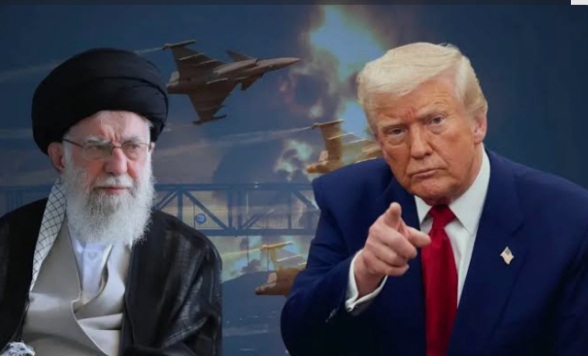
The latest confrontation between the United States and Iran has once again exposed a troubling reality in international affairs: the growing perception that military might, rather than international law, determines what is acceptable. When powerful nations resort to force with limited accountability, they weaken the very global order they claim to defend.
The use or threat of unilateral military action sets a dangerous precedent. If powerful states can strike sovereign nations whenever they deem it necessary, the principles of sovereignty, diplomacy and the rule of law become increasingly fragile. Such actions risk convincing weaker states that international norms offer little protection against superior military power.
Equally disturbing is the muted response from much of the international community. The silence of many world leaders, particularly in the Arab world, has been striking. At moments when diplomacy and restraint should be championed, hesitation and political calculation have too often replaced principled leadership. Such silence may be interpreted as acquiescence, further eroding confidence in collective security.
Another unintended consequence of repeated military confrontations is the incentive they create for nations to seek stronger deterrence. When countries conclude that diplomacy cannot reliably guarantee their security, they may become more determined to pursue advanced military capabilities. This dynamic increases regional tensions and makes future conflicts more likely rather than less.
The credibility of peace efforts also depends on trust. Critics argue that the policies of President Donald Trump, including his withdrawal from previous agreements with Iran, have made it more difficult to rebuild confidence through negotiations. Whether fair or not, that perception complicates efforts to revive meaningful diplomacy.
The world cannot afford an international system where force consistently overshadows dialogue. Lasting peace in the Middle East will not emerge from cycles of retaliation, nor from demonstrations of military supremacy. It requires respect for international law, consistent diplomacy and a genuine commitment by all parties to avoid further escalation.
History has repeatedly shown that wars are easier to begin than to end. If today’s leaders fail to choose diplomacy over confrontation, future generations may inherit a region that is even more unstable, more heavily armed and more dangerous than the one we know today.