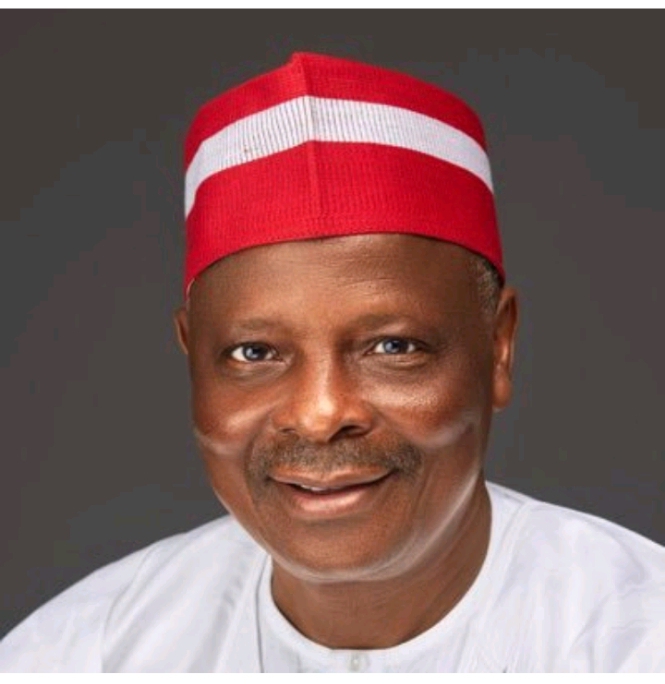
Notes on Dr Rabiu Musa Kwankwaso’s ideals
By Musa Adamu Majia
In the ever-evolving landscape of Nigerian politics, few figures command the respect and admiration that Dr. Rabiu Musa Kwankwaso does. As a former Defence Minister and the governor of Kano State, his impact on the region and the nation is significant, driven by a unique blend of populism and strategic foresight. Kwankwaso’s legacy in Kano will endure, not only through his policies but also through the profound connection he has forged with the people.
Kwankwaso is often celebrated as a man of the people, and this is no empty title. His tenure as governor was marked by initiatives specifically designed to uplift the youth, particularly through the Kwankwasiya movement. This movement has played a transformative role in providing financial empowerment and educational opportunities to countless young people in the region.
In a country where the youth demographic is rapidly growing, Kwankwaso’s focus on empowering this pivotal group is not just commendable; it is visionary. By investing in education and entrepreneurship, he has sowed the seeds for a prosperous future, proving that genuine political commitment can indeed lead to tangible change in society.
The Kwankwasiya movement, symbolized by the iconic red caps worn by his supporters, is arguably one of his most effective political movements. The cultural significance and grassroots connection fostered by the movement give Kwankwaso an edge over his contemporaries. His supporters do not merely follow him out of political obligation; they are a community bound by shared values and aspirations. This strong grassroots network is invaluable in a political environment typically characterized by fleeting alliances and transient loyalties.
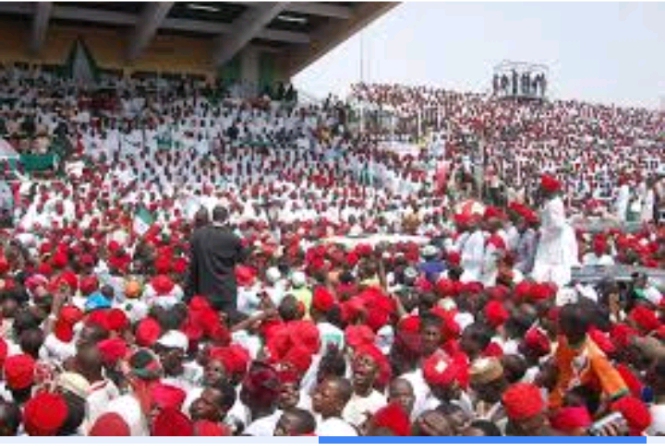
Kwankwasiyya movement
Kwankwaso’s political journey took a remarkable turn during the 2023 general elections when he effectively “invaded” Kano with his new party, the New Nigeria People’s Party (NNPP). This strategic maneuver was a testament to his political sagacity. Despite the challenges faced by opposition parties in a system often dominated by established players, Kwankwaso adeptly capitalized on the discontent among the populace, particularly in the face of rising insecurity, economic woes, and political disenchantment with the ruling party. His ability to galvanize support and challenge the federal might in the 2023 elections, and notably maintain a solid political presence into 2024, speaks volumes about his understanding of the electoral landscape and the needs of the people.
Unlike many politicians who are often seen as disconnected from the populace, Kwankwaso’s approach merges empathy with strategic action. He comprehends the pulse of the people, their aspirations, and their grievances. This connection is what makes him not just a leader, but a relatable figure who has navigated the complexities of Nigerian politics with remarkable agility. The fact that he could withstand the pressures of the federal structure and retain Kano as a bastion of support for the NNPP is a significant feat, highlighting his enduring influence and the loyalty he commands among the electorate.
Moreover, Kwankwaso’s legacy extends beyond party politics; it encompasses a vision for a better Nigeria. His calls for good governance, accountability, and transparency resonate with many who yearn for a Nigeria that prioritizes citizens’ needs over political interests. He is not merely a populist figure riding the tides of public sentiment; he actively seeks to establish a governance model that is inclusive and beneficial to all. By advocating for responsible leadership, he has opened dialogues about what true democracy entails and the responsibilities of those in power.
Critics may argue that Kwankwaso’s political journey has not been without challenges and controversies. Yet, the measure of a politician is not merely their absence of missteps, but their ability to pivot, learn, and adapt to the ever-changing political terrain. Kwankwaso’s resilience in the face of obstacles showcases a characteristic of true leadership. It also illustrates a commitment to learning from past experiences and adapting strategies that resonate with current realities.
His vision for Kano and Nigeria at large is underpinned by a rich understanding of the socio-economic dynamics at play. Kwankwaso’s policies often aim to address the root of poverty and unemployment, factors that continue to plague northern Nigeria. Through his initiatives, he has instilled hope and motivation among the youth, galvanizing a generation that is now more politically conscious and engaged. Kwankwaso’s legacy will not only live on in the physical projects he initiated or the policies he enacted but also in the transformation of mindsets among the youth in his state.
As Nigeria stands at a crossroads, seeking effective leaders who can navigate the complexities of its politics, Dr. Rabiu Musa Kwankwaso exemplifies the qualities of dedication, insight, and connection to the grassroots that are desperately required. His political sagacity lies in his ability to intertwine populism with genuine governance, demonstrating that it is possible to be both a responsive leader and a shrewd politician.
In summary, Dr Kwankwaso’s legacy is far more than a mere political narrative; it is a testament to the enduring power of leadership that prioritizes people over politics. As he continues to advocate for a brighter future for Kano and Nigeria, it is crucial that we acknowledge and emulate the principles he embodies. The challenge now lies with emerging politicians and leaders who should take a cue from his journey, advocating for empowerment and the well-being of the people above all else. Kwankwaso’s influence will undoubtedly shape the political discourse for years to come, and for that, he deserves commendation and recognition as a transformative figure in Nigerian politics.
Dr Musa Adamu Majia is the founder, Khadija University Majia