
Gov. Ahmed Aliyu and the triumph of democracy dividends
By Lawal Jet Kaugama
Good governance is best measured not merely by promises but by visible impact on the lives of ordinary people. In Sokoto State today, one cannot ignore the pragmatic and people-centred leadership style of Governor Ahmed Aliyu, which continues to resonate strongly with citizens across diverse communities.
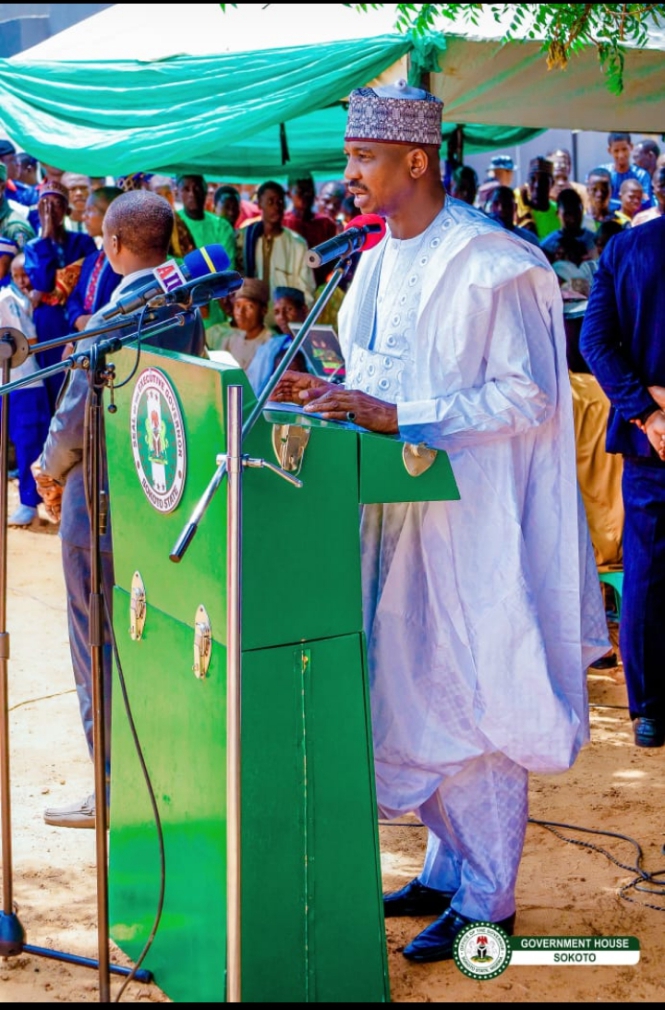
The recent commissioning of the remodelled Kware Central Jumu’at Mosque, the 15th such renovation project undertaken by his administration, is a shining example of this commitment.
A release signed by Director of Media and Publicity, Sokoto State Government House, Abubakar Bawa, said at the commissioning ceremony, the governor restated his determination to continue providing conducive worship spaces for Muslims across the state. For many, this is not simply about mosque renovation; it is about dignity, inclusivity, and respect for the spiritual lives of the people. Worshippers who previously prayed in structures that were far from conducive now enjoy befitting places of worship, affirming the governor’s promise that the welfare of his people remains at the heart of his policies.
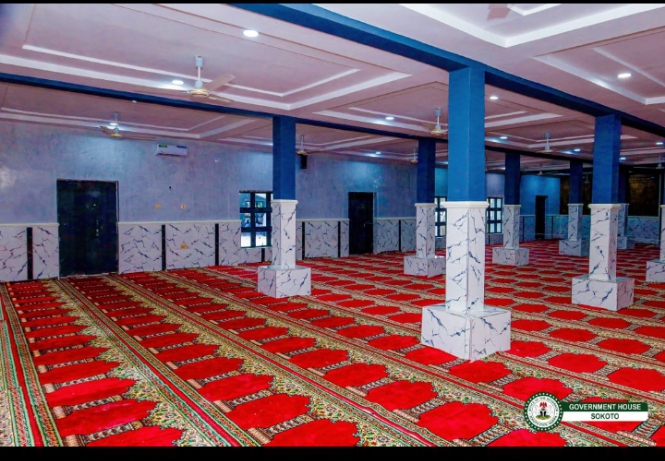
Indeed, Gov. Aliyu’s prioritisation of Islamic affairs—listed as the second agenda item in his 9-point Smart Agenda—underscores his respect for the cultural and religious fabric of Sokoto State. His leadership has demonstrated that faith-based infrastructure and support are not afterthoughts, but essential pillars for fostering communal harmony, moral guidance, and social development. By placing mosques on monthly cash allocations and providing allowances to Imams, deputies, and muazzins, his government has institutionalised support for religious propagation, ensuring that spiritual leaders can focus on their calling without unnecessary financial strain.
This deliberate policy reflects a rare blend of foresight and sensitivity. Many leaders overlook the fact that religion, in a society as deeply spiritual as Sokoto, is not just about rituals but about anchoring the values that promote peace, unity, and discipline. By empowering clerics and enhancing worship centres, Gov. Aliyu has taken a proactive step toward strengthening the moral foundation of the state, thereby contributing to social stability and responsible citizenship.
Equally noteworthy is his appeal to communities to take ownership of these projects and ensure proper maintenance. This is a subtle but powerful dimension of his governance philosophy. Instead of creating dependency on government, he encourages shared responsibility and accountability, ensuring that public infrastructure is preserved for future generations. This inclusive approach is the hallmark of sustainable leadership.
The commendation expressed by Sultan Muhammad Sa’ad Abubakar, represented by the Wazirin Sokoto, Prof. Sambo Wali Junaid, is also significant. When traditional and spiritual leaders acknowledge a governor’s foresight in giving Jumu’at mosques a befitting facelift, it is a powerful validation of people-centred governance. The Sultan’s appeal to communities to jealously protect these projects further complements the governor’s call for ownership, showing a synergy between government and traditional institutions that strengthens social cohesion.
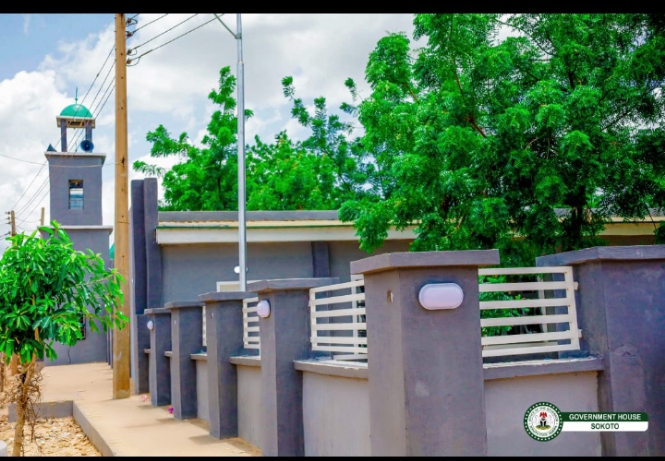
The words of the State Commissioner for Religious Affairs, Dr. Jabir Sani Maihulla, also shed light on another dimension of Gov. Aliyu’s leadership: his ability to select and work with dedicated lieutenants. Dr. Maihulla’s recognition of the governor’s prioritisation of Islamic affairs is not just flattery—it is a reflection of the administration’s seriousness in implementing its agenda. By surrounding himself with competent and committed individuals, Gov. Aliyu ensures that his policies are not just lofty ideas but practical realities.
Beyond religious infrastructure, the testimony of the Kware Local Government Chairman, Ibrahim Attahiru Ruggar Giwa, confirms that Gov. Aliyu’s leadership is holistic and people-oriented. Roads, water schemes, and social welfare programmes in Kware are evidence of a government that does not focus on one sector at the expense of others. This balanced development model illustrates a governor who understands that true progress comes from addressing both the spiritual and socio-economic needs of his people.
In reflecting on Gov. Aliyu’s governance style, one cannot help but appreciate the blend of vision, pragmatism, and inclusivity that characterises his leadership. He is not a leader content with empty rhetoric; he is a doer, as evidenced by the 15 mosques already renovated and many more at various stages of completion. He is not a governor who imposes decisions from above; instead, he involves traditional, religious, and community leaders, ensuring that development resonates with the people’s aspirations.
What makes Gov. Aliyu particularly commendable is his proactiveness. He anticipates the needs of the people and acts decisively. By making Islamic affairs a cornerstone of his Smart Agenda early in his tenure, he signalled that he understood the heartbeat of Sokoto. By allocating resources directly to religious institutions, he showed that his government is not reactive but strategic, investing in the moral and spiritual wellbeing of citizens alongside material development.
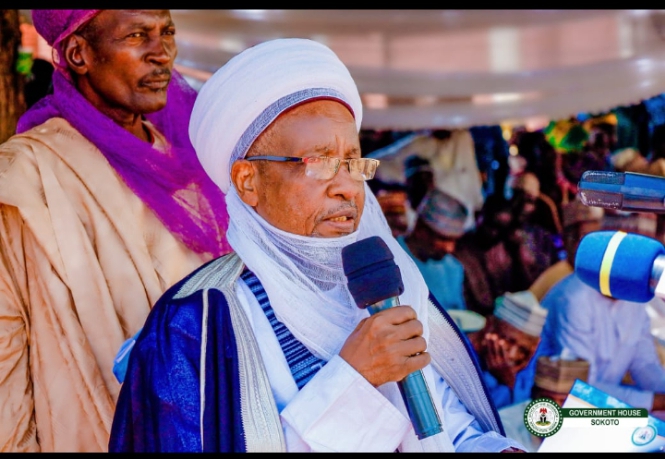
In a political climate where many leaders chase personal legacies or focus narrowly on infrastructural showpieces, Gov. Aliyu stands out for his commitment to balanced, people-centred policies. His projects speak to both the body and the soul of the people, fostering a holistic sense of wellbeing. This is leadership at its finest—practical, empathetic, and forward-looking.
As Sokoto continues on this trajectory of people-centred governance, credit must also be given to those working behind the scenes to communicate these strides effectively. Abubakar Bawa, the Director General of Media and Publicity at the Government House, Sokoto, deserves recognition for consistently ensuring that the governor’s policies and achievements are accurately projected to the public. In an era where narratives often shape perception as much as reality, Bawa’s professionalism contributes immensely to reinforcing the governor’s image as a proactive and people-focused leader.
In sum, the commissioning of the remodelled Kware Central Jumu’at Mosque is not just an isolated event—it is a microcosm of Gov. Aliyu’s leadership philosophy. It embodies his respect for faith, his prioritisation of people’s welfare, his foresight in strengthening religious institutions, and his commitment to shared responsibility in governance. His style reflects a governor who serves with humility, proactiveness, and vision. Sokoto State, indeed, is fortunate to have such a leader at this defining moment in its history.
Lawal Jet Kaugama, a commentator on national issues, writes from Kano