
SENSEMAN EDITORIAL 21:07:2026
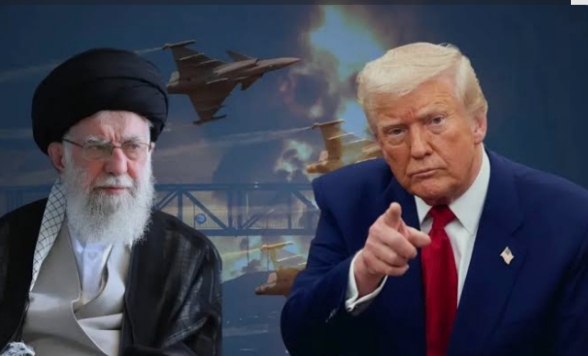
The dangerous precedent of America’s war posture on Iran
When the United States chooses to strike first and explain later, it does not merely settle a score with Tehran, it rewrites the rules of the international order for everyone watching. And the world is watching, even if it refuses to speak.
That is the most troubling part of this moment: not the missiles, but the silence.
From the corridors of the United Nations to the palaces of the Gulf, world leaders who built entire foreign policies on the sanctity of sovereignty have gone quiet.
Arab states that once thundered about non-interference now offer only diplomatic murmurs, as if the bombing of a fellow regional power were a private matter between Washington and Tehran.
This silence is not neutrality. It is complicity dressed up as caution.
Washington has long argued that its overwhelming military power is a stabilising force in the Middle East. What this argument actually demonstrates is the opposite: that when a nation possesses enough force, international law becomes optional and unprovoked strikes become “preemptive defence.”
That is the precedent now being set. Might is right. Smaller and mid-sized nations everywhere are taking note.
This brings us to the uncomfortable truth at the heart of this crisis: America’s own actions have made the case for Iranian nuclearisation stronger than any hawk in Tehran ever could.
History has already taught this lesson once, nations that surrender their weapons programmes under promises of security guarantees have found those promises worthless when the tanks eventually rolled in.
Iran is watching the same reel. A nuclear deterrent, however uncomfortable the prospect is for the region, may be the only currency that buys a country immunity from being struck at will by Washington or Tel Aviv.
And on the question of trust, the record speaks plainly. An American president who has treated past nuclear agreements as disposable, who abandons deals the moment they become politically inconvenient, offers Tehran no credible reason to believe any renewed round of talks would be honoured. Diplomacy requires two parties who believe the other will keep its word. That belief does not currently exist.
If the international community wants to prevent a nuclear-armed Iran, the burden is not on Tehran to disarm its ambitions, it is on Washington to prove that restraint, not force, is still worth trusting.
— The Editorial Board
………….
Senseman Editorial
US vs Iran: The Dangerous Precedent of Might Over Right
The latest confrontation between the United States and Iran has once again exposed a troubling reality in international affairs: the growing perception that military might, rather than international law, determines what is acceptable. When powerful nations resort to force with limited accountability, they weaken the very global order they claim to defend.
The use or threat of unilateral military action sets a dangerous precedent. If powerful states can strike sovereign nations whenever they deem it necessary, the principles of sovereignty, diplomacy and the rule of law become increasingly fragile. Such actions risk convincing weaker states that international norms offer little protection against superior military power.
Equally disturbing is the muted response from much of the international community. The silence of many world leaders, particularly in the Arab world, has been striking. At moments when diplomacy and restraint should be championed, hesitation and political calculation have too often replaced principled leadership. Such silence may be interpreted as acquiescence, further eroding confidence in collective security.
Another unintended consequence of repeated military confrontations is the incentive they create for nations to seek stronger deterrence. When countries conclude that diplomacy cannot reliably guarantee their security, they may become more determined to pursue advanced military capabilities. This dynamic increases regional tensions and makes future conflicts more likely rather than less.
The credibility of peace efforts also depends on trust. Critics argue that the policies of President Donald Trump, including his withdrawal from previous agreements with Iran, have made it more difficult to rebuild confidence through negotiations. Whether fair or not, that perception complicates efforts to revive meaningful diplomacy.
The world cannot afford an international system where force consistently overshadows dialogue. Lasting peace in the Middle East will not emerge from cycles of retaliation, nor from demonstrations of military supremacy. It requires respect for international law, consistent diplomacy and a genuine commitment by all parties to avoid further escalation.
History has repeatedly shown that wars are easier to begin than to end. If today’s leaders fail to choose diplomacy over confrontation, future generations may inherit a region that is even more unstable, more heavily armed and more dangerous than the one we know today.