
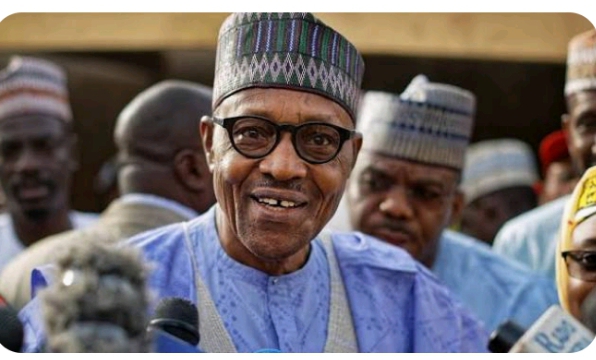
Breaking: Former President Muhammadu Buhari passes on in London hospital
By Uji A. Iliyasu, Abuja
Nigeria is in mourning following the passing of its immediate past President, Muhammadu Buhari, who died on Sunday afternoon in a London hospital after a prolonged illness. He was 82.His spokesperson, Garba Shehu, confirmed the death in an official statement issued from Abuja, noting that the former President had been receiving medical care in the United Kingdom for several weeks. He succumbed to his illness at approximately 4:30 pm local time.President Bola Ahmed Tinubu expressed profound sorrow at the loss of his predecessor and extended heartfelt condolences to the former First Lady, Mrs Aisha Buhari, and the wider Buhari family. In a gesture reflecting the solemnity of the occasion, President Tinubu dispatched Vice President Kashim Shettima to London to accompany Buhari’s remains back to Nigeria for burial in accordance with Islamic rites.Muhammadu Buhari, a former military ruler turned democratically elected President, leaves behind a complex legacy marked by anti-corruption campaigns, an austere leadership style, and a significant influence on Nigeria’s political evolution over the past four decades.Early Life and Military CareerBorn on 17 December 1942 in Daura, Katsina State, in northern Nigeria, Muhammadu Buhari was the twenty-third child of his father. Orphaned at a young age, he enrolled in the Nigerian Military Training College (NMTC) in 1962. He later received further military training in the United Kingdom, India, and the United States, emerging as a disciplined and committed soldier.Buhari rose through the ranks and served in various command and staff roles during a period of great turmoil in Nigeria. He fought during the Nigerian Civil War and held several key military posts before gaining national prominence in 1983, when he led a coup that overthrew the civilian government of President Shehu Shagari.Head of State: 1984–1985As military Head of State from January 1984 to August 1985, General Buhari launched what he termed a “War Against Indiscipline” (WAI), a campaign aimed at curbing corruption, restoring order, and promoting civic responsibility. His regime was characterised by an uncompromising stance against corruption and a strict moral code. However, critics frequently pointed to human rights abuses, suppression of the press, and harsh economic policies as marks against his military rule.Buhari’s tenure was abruptly ended when he was ousted in a bloodless coup led by General Ibrahim Babangida. Following his removal, he faded from the political limelight for a period, living a relatively quiet life away from the public sphere.Return to Politics and Democratic PresidencyIn 2003, Buhari returned to public life as a civilian politician and contested for the presidency under the All Nigeria Peoples Party (ANPP). After three unsuccessful attempts—in 2003, 2007, and 2011—Buhari eventually won the presidency in 2015 under the banner of the All Progressives Congress (APC), becoming the first opposition candidate to defeat an incumbent in Nigeria’s history.His election was seen as a turning point, symbolising the Nigerian electorate’s desire for change, integrity, and a more secure future. He was re-elected in 2019 for a second term.Presidency: 2015–2023Buhari’s presidency was dominated by three major themes: anti-corruption, national security, and economic reform.He launched high-profile investigations and prosecutions of political figures and government officials accused of graft. While his administration secured several convictions, critics accused it of selective enforcement and targeting opposition figures.On security, Buhari inherited a country reeling from Boko Haram insurgency in the North-East. Although his government made initial gains in reclaiming territory from the militants, insecurity remained a persistent issue, exacerbated by banditry, kidnappings, and separatist unrest in various regions.The Nigerian economy, heavily reliant on oil, faced significant turbulence during his tenure, particularly during the global oil price slump and the COVID-19 pandemic. Buhari pursued various fiscal policies and infrastructure initiatives, including railway modernisation, road construction, and power generation projects. However, critics highlighted high unemployment, inflation, and rising public debt as key concerns under his watch.Despite the challenges, Buhari was seen by many as a symbol of personal discipline and national integrity. His spartan lifestyle and image as a “man of the people” retained a loyal base of support throughout his time in office.Life After PresidencyAfter concluding his second term in May 2023, Buhari retired to his hometown of Daura in Katsina State, where he had often expressed his desire to live a quiet life, away from the pressures of politics. However, political developments and mounting speculation ahead of the 2027 general elections drew a steady stream of politicians and well-wishers to his residence.Earlier this year, he relocated from Daura to Kaduna, citing convenience and a quieter environment. While no longer in public office, Buhari remained an influential figure in Nigerian political discourse.Legacy and Final DaysNews of his deteriorating health had circulated in recent weeks, although officials had remained tight-lipped about the nature of his condition. His death in London marks the end of a remarkable chapter in Nigeria’s modern history.Tributes have begun to pour in from leaders across Africa and beyond. Former President Goodluck Jonathan described Buhari as “a steadfast patriot who devoted his life to the service of Nigeria.” Other tributes emphasised his integrity, sense of duty, and enduring impact on Nigeria’s political evolution.Buhari is survived by his wife, Aisha, and several children.A Nation in MourningFlags are being flown at half-mast across Nigeria, and a period of national mourning has been declared. Details of the burial and official ceremonies are expected to be announced in the coming days.As the country reflects on the life of Muhammadu Buhari, Nigerians remain divided in their assessments. To some, he was a necessary disciplinarian, a steady hand in turbulent times. To others, his legacy is one of missed opportunities and unfulfilled potential.Nevertheless, few would contest that Muhammadu Buhari’s life was one deeply intertwined with the Nigerian state—both in uniform and in civilian attire. From the battlefields of the Biafran War to the chambers of Aso Rock, Buhari served Nigeria with unflinching determination.His story, like that of the nation he led, was complex, challenging, and ultimately historic.
By Uji A. Iliyasu, Abuja
Nigeria is in mourning following the passing of its immediate past President, Muhammadu Buhari, who died on Sunday afternoon in a London hospital after a prolonged illness. He was 82.
His spokesperson, Garba Shehu, confirmed the death in an official statement issued from Abuja, noting that the former President had been receiving medical care in the United Kingdom for several weeks. He succumbed to his illness at approximately 4:30 pm local time.
President Bola Ahmed Tinubu expressed profound sorrow at the loss of his predecessor and extended heartfelt condolences to the former First Lady, Mrs Aisha Buhari, and the wider Buhari family. In a gesture reflecting the solemnity of the occasion, President Tinubu dispatched Vice President Kashim Shettima to London to accompany Buhari’s remains back to Nigeria for burial in accordance with Islamic rites.
Muhammadu Buhari, a former military ruler turned democratically elected President, leaves behind a complex legacy marked by anti-corruption campaigns, an austere leadership style, and a significant influence on Nigeria’s political evolution over the past four decades.
Early Life and Military Career
Born on 17 December 1942 in Daura, Katsina State, in northern Nigeria, Muhammadu Buhari was the twenty-third child of his father. Orphaned at a young age, he enrolled in the Nigerian Military Training College (NMTC) in 1962. He later received further military training in the United Kingdom, India, and the United States, emerging as a disciplined and committed soldier.
Buhari rose through the ranks and served in various command and staff roles during a period of great turmoil in Nigeria. He fought during the Nigerian Civil War and held several key military posts before gaining national prominence in 1983, when he led a coup that overthrew the civilian government of President Shehu Shagari.
Head of State: 1984–1985
As military Head of State from January 1984 to August 1985, General Buhari launched what he termed a “War Against Indiscipline” (WAI), a campaign aimed at curbing corruption, restoring order, and promoting civic responsibility. His regime was characterised by an uncompromising stance against corruption and a strict moral code. However, critics frequently pointed to human rights abuses, suppression of the press, and harsh economic policies as marks against his military rule.
Buhari’s tenure was abruptly ended when he was ousted in a bloodless coup led by General Ibrahim Babangida. Following his removal, he faded from the political limelight for a period, living a relatively quiet life away from the public sphere.
Return to Politics and Democratic Presidency
In 2003, Buhari returned to public life as a civilian politician and contested for the presidency under the All Nigeria Peoples Party (ANPP). After three unsuccessful attempts—in 2003, 2007, and 2011—Buhari eventually won the presidency in 2015 under the banner of the All Progressives Congress (APC), becoming the first opposition candidate to defeat an incumbent in Nigeria’s history.
His election was seen as a turning point, symbolising the Nigerian electorate’s desire for change, integrity, and a more secure future. He was re-elected in 2019 for a second term.
Presidency: 2015–2023
Buhari’s presidency was dominated by three major themes: anti-corruption, national security, and economic reform.
He launched high-profile investigations and prosecutions of political figures and government officials accused of graft. While his administration secured several convictions, critics accused it of selective enforcement and targeting opposition figures.
On security, Buhari inherited a country reeling from Boko Haram insurgency in the North-East. Although his government made initial gains in reclaiming territory from the militants, insecurity remained a persistent issue, exacerbated by banditry, kidnappings, and separatist unrest in various regions.
The Nigerian economy, heavily reliant on oil, faced significant turbulence during his tenure, particularly during the global oil price slump and the COVID-19 pandemic. Buhari pursued various fiscal policies and infrastructure initiatives, including railway modernisation, road construction, and power generation projects. However, critics highlighted high unemployment, inflation, and rising public debt as key concerns under his watch.
Despite the challenges, Buhari was seen by many as a symbol of personal discipline and national integrity. His spartan lifestyle and image as a “man of the people” retained a loyal base of support throughout his time in office.
Life After Presidency
After concluding his second term in May 2023, Buhari retired to his hometown of Daura in Katsina State, where he had often expressed his desire to live a quiet life, away from the pressures of politics. However, political developments and mounting speculation ahead of the 2027 general elections drew a steady stream of politicians and well-wishers to his residence.
Earlier this year, he relocated from Daura to Kaduna, citing convenience and a quieter environment. While no longer in public office, Buhari remained an influential figure in Nigerian political discourse.
Legacy and Final Days
News of his deteriorating health had circulated in recent weeks, although officials had remained tight-lipped about the nature of his condition. His death in London marks the end of a remarkable chapter in Nigeria’s modern history.
Tributes have begun to pour in from leaders across Africa and beyond. Former President Goodluck Jonathan described Buhari as “a steadfast patriot who devoted his life to the service of Nigeria.” Other tributes emphasised his integrity, sense of duty, and enduring impact on Nigeria’s political evolution.
Buhari is survived by his wife, Aisha, and several children.
A Nation in Mourning
Flags are being flown at half-mast across Nigeria, and a period of national mourning has been declared. Details of the burial and official ceremonies are expected to be announced in the coming days.
As the country reflects on the life of Muhammadu Buhari, Nigerians remain divided in their assessments. To some, he was a necessary disciplinarian, a steady hand in turbulent times. To others, his legacy is one of missed opportunities and unfulfilled potential.
Nevertheless, few would contest that Muhammadu Buhari’s life was one deeply intertwined with the Nigerian state—both in uniform and in civilian attire. From the battlefields of the Biafran War to the chambers of Aso Rock, Buhari served Nigeria with unflinching determination.
His story, like that of the nation he led, was complex, challenging, and ultimately historic.