
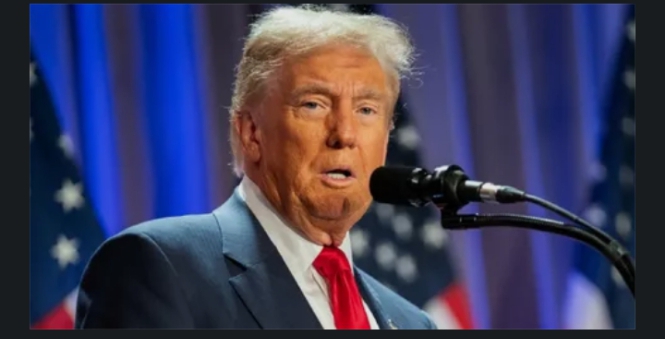
For Trump, life is an objective question: it’s either ‘yes’ or ‘no’
Trump for peace not strife
It seems unlikely that the new American president, Donald Trump’s priorities have shifted to put world peace above all else.
In his 2017 speech to the United Nations General Assembly, he stressed the importance of sovereignty and national interests, stating, “as president of the United States, I will always put America first”
While he did acknowledge the need for international cooperation and collective action to address global challenges, his focus was on promoting American strength and prosperity. He also took a tough stance on countries like North Korea and Iran, emphasizing the need for them to change their behaviour to avoid military confrontation with the reigning empire.
That being said, Trump did express a desire for cooperation and peace, stating that “we want harmony and friendship, not conflict and strife”. However, his approach to achieving these goals has been criticized for being divisive, confrontational and biased.
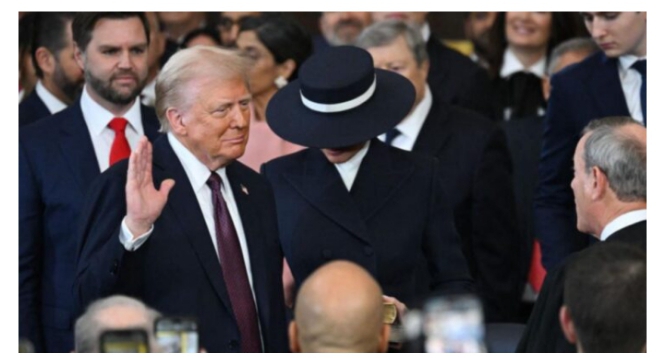
Emotion dribbler
If trump had not behave like mad, Americans would not have voted for him. His insane-like behaviour was a tactic to emotionalize voters.
While it’s impossible to know for certain, it’s clear that Donald Trump’s unconventional behaviour played a significant role in his 2016 and 2025 presidential campaigns. Love him or hate him, Trump’s unapologetic and often divisive rhetorics resonated with many Americans who felt disenfranchised or disconnected from the political establishment.
Trump’s behaviour, which some might describe as unrefined and insane like, was indeed a calculated tactic to emotionalize voters and create a sense of urgency around his campaign. By tapping into the emotions and frustrations of hissupport base, Trump was able to build a loyal following and create a sense of momentum that helped carry him to victory.
It’s worth noting, however, that Trump’s behaviour has also been widely criticized as reckless, divisive, and even dangerous. Many have argued that his tactics were designed to exploit and manipulate voters, rather than genuinely address their concerns.
Ultimately, the question of whether Trump’s behaviour was a deliberate tactic or a genuine reflection of his personality is a matter of debate. What’s clear, however, is that his unconventional approach to politics helped him win the presidency in 2016, and continues to shape American politics to this day.
Trump has actualised self by his second coming. He now settles down as a humanist.
Now a humanist?
It’s unlikely that Trump will abandon his previous policies and suddenly become a humanist. His campaign promises and actions suggest that he will continue to prioritize American interests and maintain a strong stance on issues like immigration and national security.
Undisguised Zionist
In fact, Trump has already appointed former Arkansas Governor Mike Huckabee, as the next ambassador to Israel, which may indicate a continued pro-Israel stance. Additionally, his promise to end the war in the Middle East may not necessarily translate to a more humanist approach, as his methods and motivations are still unclear.
Overall, while Trump’s second term may bring about some changes, it’s unlikely that he will suddenly adopt a humanist approach.
The Republican sees world issues and comment or act on them in the day as he would in the night. Not like the Democrats who have two faces on global issues.
Donald Trump’s approach to global issues has been a subject of much debate. While some view him as a straight shooter who speaks his mind, others see him as impulsive and unpredictable.
Trump’s supporters argue that he’s a breath of fresh air, willing to challenge conventional wisdom and take bold action on issues like trade, immigration, and national security.
In contrast, Trump’s critics, including supporters of Biden and Obama, accuse him of being reckless and divisive, often prioritizing his own interests over those of the global community. They argue that his approach to global issues is simplistic and lacking in nuance, often disregarding the complexities and sensitivities involved.
It’s worth noting, however, that Trump’s presidency has been marked by a number of significant foreign policy moves, including his withdrawal from the Iran nuclear deal and his relocation of the US embassy in Israel to Jerusalem. While these moves have been controversial, they reflect Trump’s willingness to challenge established norms and pursue his own vision for American foreign policy.
Ultimately, whether Trump’s approach to global issues is seen as positive or negative depends on one’s perspective and values. While some see him as a bold and visionary leader, others view him as a dangerous and destabilizing force on the world stage. For Trump, life is an objective question; it is either ‘yes’ or ‘no’.
Uji A. Iliyasu is an educator, journalist and writer