
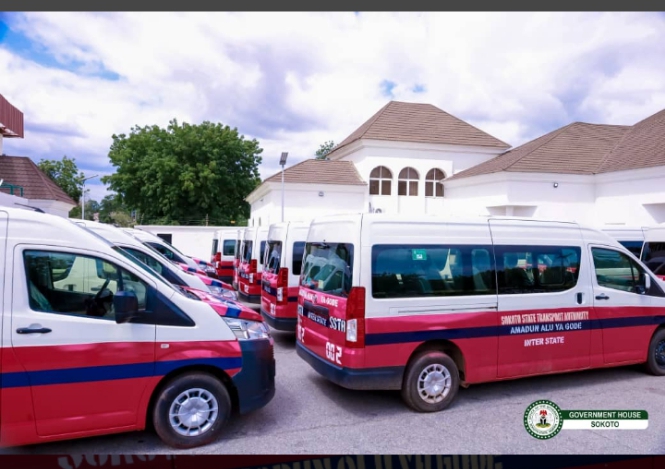
Gov. Ahmed Aliyu’s mass transit initiative: A bold people-centred governance
By Mohammed Yunusa
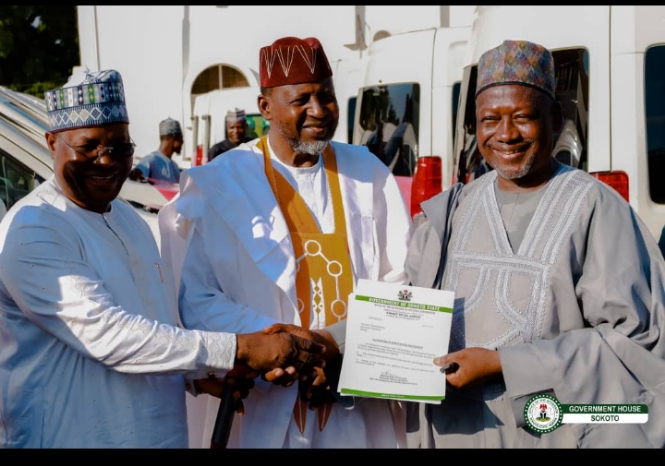
At a time when many Nigerian states are grappling with the ripple effects of the fuel subsidy removal and the worsening economic hardship across the country, Governor Ahmed Aliyu of Sokoto State stands out as a shining example of visionary and people-centred leadership. The recent release of 30 new mass transit buses and the rollout of a robust e-ticketing system by his administration is not just a transportation reform, it is a reflection of strategic governance with the welfare of the common man at its core.
Transport is the heartbeat of any modern economy. It connects people to jobs, education, healthcare, and economic opportunities. In a predominantly rural state like Sokoto, where many rely on public transportation to commute daily, the importance of a reliable, efficient, and affordable mass transit system cannot be overstated. With this latest move, the Ahmed Aliyu-led government is directly addressing a major pain point for residents and setting a precedent for inclusive development.
The introduction of 30 additional mass transit buses comes on the back of the 40 earlier deployed, bringing the total to 70 vehicles, comprising 50 buses and 20 Toyota Camrys. This is not a cosmetic gesture. It is a well-thought-out intervention aimed at easing the burden on the average commuter.
Whether it is the market woman travelling to the city centre, the student attending university, or the civil servant going to work, this initiative speaks directly to their daily realities. It is, without doubt, a pro-people move deserving of national commendation.
What makes this initiative even more commendable is the strategic integration of technology through the newly launched e-ticketing platform. The convenience of booking and paying for transport fares online cannot be overemphasised, particularly in today’s digital age. This move does not only modernise the state’s transportation service but also ensures transparency and accountability, two key ingredients often lacking in public service delivery.
The Deputy Governor, Idris Muhammed Gobir, was right to underscore the dual purpose of this innovation. By promoting accountability in operations and eliminating leakages, the government is not only safeguarding public funds but also building public trust. It sends a clear message that Governor Aliyu’s administration is not just spending, it is investing in systems that deliver results and ensure every naira spent delivers value to the people.
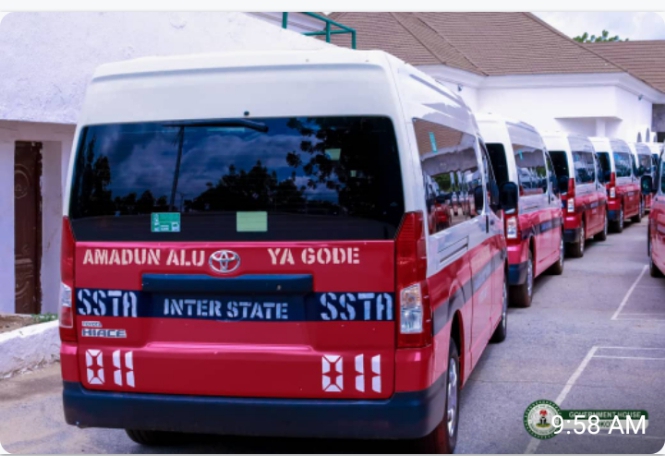
Moreover, the call for effective supervision and maintenance of the vehicles further highlights the government’s commitment to sustainability. Too often in Nigeria, public assets fall into disrepair due to lack of maintenance and oversight. By placing this responsibility squarely on the shoulders of the Ministry of Transportation and urging both drivers and passengers to keep the vehicles clean and functional, the administration is encouraging a sense of collective ownership. This is governance that sees the public as partners, not just beneficiaries.
Hon. Bala Kokani, the State Commissioner for Transportation, captured the public sentiment well when he assured that the vehicles would be protected “just as we protect our personal property.” His appreciation for Governor Aliyu’s unwavering support underscores the consistency of the administration in delivering on its promises. In a political landscape often littered with failed commitments and empty rhetoric, such consistency is refreshing and inspiring.
Governor Aliyu’s efforts must also be viewed within the broader context of socio-economic recovery post-subsidy removal. The removal of petrol subsidies, while necessary from a macroeconomic standpoint, has imposed significant hardship on Nigerians, particularly those in lower income brackets. Sokoto State’s investment in mass transit is therefore not just a transport solution, it is an economic buffer, a means of reducing the cost of living, and a platform for inclusive mobility.
It is also worth noting that this initiative aligns perfectly with the United Nations’ Sustainable Development Goals (SDGs), particularly Goal 11, which calls for making cities and human settlements inclusive, safe, resilient, and sustainable. By prioritising affordable and sustainable transport, Governor Aliyu is positioning Sokoto State as a progressive model that other states can learn from.
In all, Governor Aliyu’s mass transit initiative is a testament to what can be achieved when leadership is anchored in empathy, foresight, and genuine commitment to public good. This is a bold and thoughtful intervention that goes beyond political posturing. It is an action rooted in compassion and a deep understanding of the people’s needs.
The people of Sokoto State are fortunate to have a governor who listens, acts, and leads with purpose. As these 30 new buses hit the roads and the e-ticketing system comes into full operation, one can only hope that other states will take a cue and embrace similarly innovative, accountable, and people-focused governance.
Governor Ahmed Aliyu has indeed raised the bar, and the results are already speaking for themselves.
Mohammed Yunusa writes from Sokoto metropolis