
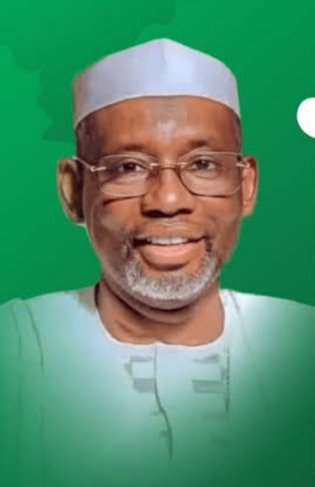
Gov Namadi’s lecture on Democracy Day
By Lawal Jet Kaugama
As Nigeria marks another Democracy Day, we are reminded of the remarkable journey our nation has undertaken in pursuit of democratic governance, justice, and national development.
June 12 occupies a special place in our history because it symbolizes the courage, resilience, and sacrifices of countless Nigerians who stood firmly for the principles of freedom, fairness, and the right of citizens to determine their own destiny through the ballot box.
This day is not merely a public holiday. It is an opportunity for reflection, gratitude, and renewed commitment to the ideals that sustain democratic societies. It calls on us to remember the struggles of those who fought for democratic rule and challenges us to strengthen the institutions and values that preserve our hard-earned freedoms.
Democracy is often associated with elections, political campaigns, and the transfer of power. While these are important components, democracy extends far beyond the electoral process. True democracy is reflected in strong institutions, adherence to the rule of law, protection of fundamental rights, accountability in public service, transparency in governance, and equal opportunities for citizens to contribute to national development.
At its core, democracy thrives when citizens are active participants rather than passive observers. The success of any democratic system depends not only on elected leaders but also on the willingness of citizens to remain engaged, informed, and committed to the common good.
Nation-building cannot be left solely to government. It is a shared responsibility that requires every Nigerian to play a constructive role in advancing peace, unity, and progress.
Citizens contribute to democracy through lawful conduct, civic responsibility, respect for public institutions, and active participation in community affairs. They strengthen democratic governance by demanding accountability, promoting dialogue, respecting the rights of others, and contributing their talents and resources toward the development of society.
When citizens embrace these responsibilities, democracy becomes more responsive, inclusive, and effective.
One of the most important values that sustain democracy is tolerance. In a diverse country like Nigeria, differences in ethnicity, religion, language, and political opinion should never become sources of division. Rather, they should be viewed as strengths that enrich our national identity. Democracy flourishes when people respect differing viewpoints, engage in peaceful dialogue, and seek common ground despite disagreements.
As we celebrate Democracy Day, we must continue to nurture a culture of mutual respect and peaceful coexistence. Our diversity remains one of our greatest assets, and by embracing tolerance and understanding, we can build stronger communities and a more united nation.
While acknowledging the progress Nigeria has made since the return to democratic rule, we must also recognize that significant challenges remain. Economic pressures, security concerns, unemployment, infrastructure deficits, and social inequalities continue to test our collective resolve. However, these challenges should not diminish our confidence in the future. Rather, they should inspire greater collaboration and innovation in addressing the issues that affect our people.
Nigeria’s greatest strength lies in the resilience, determination, and entrepreneurial spirit of its citizens. Throughout our history, Nigerians have demonstrated an extraordinary ability to overcome adversity and emerge stronger. This enduring spirit gives us every reason to remain optimistic about the future of our country.
In Jigawa State, we remain committed to a people-centred approach to governance that prioritizes the welfare of citizens and promotes inclusive development. Our administration continues to invest in education, healthcare, agriculture, infrastructure, youth empowerment, and social protection programmes designed to improve the quality of life of our people. We believe that democratic governance must ultimately translate into tangible benefits for citizens.
I also wish to acknowledge the invaluable contributions of our traditional rulers, religious leaders, community-based organisations, civil society groups, and security agencies. Their dedication to maintaining peace, promoting dialogue, and fostering social harmony has been instrumental in sustaining stability and development in our state.
Furthermore, we remain committed to supporting the Renewed Hope Agenda of President Bola Ahmed Tinubu. The challenges facing our nation require coordinated action and collaboration among all levels of government. Through partnership, innovation, and shared responsibility, we can accelerate development and improve the living conditions of our people.
As we commemorate this year’s Democracy Day, let us renew our commitment to the principles that define democratic governance. Let us continue to uphold justice, accountability, inclusiveness, and respect for the rule of law. Let us reject division and embrace unity.
Above all, let us recognize that the future of our democracy depends on the active participation of every citizen.
Together, through collective effort and unwavering dedication to democratic ideals, we can build a more prosperous, peaceful, and inclusive Nigeria for generations to come.
READ ALSO. ..
Gov Namadi’s citizen-centred governance approach
Lawal Jet Kaugama, a commentator on national issues, writes from Kano