
Nigerian varsities urged to refund students double-charged despite federal loans
By Uji A.iliyasu, Abuja
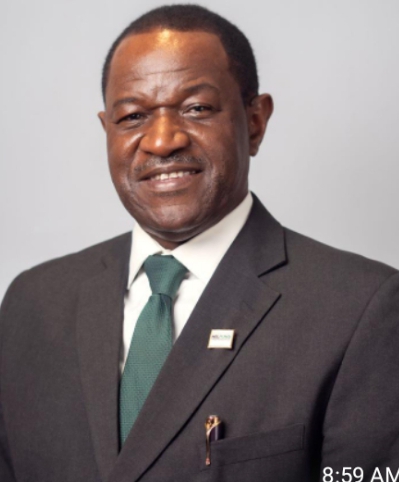
The Managing Director of the Nigerian Education Loan Fund (NELFUND), Mr Akintunde Sawyerr, has issued a firm appeal to tertiary institutions nationwide, urging them to refund students who were charged tuition fees despite having received federal loan support.
Speaking during NELFUND’s First Hybrid Media Engagement on Thursday in Abuja, Mr Sawyerr warned that institutional non-compliance could erode public trust and jeopardise the long-term sustainability of the scheme.
He explained that the loan scheme, launched on 24 May 2024, was expedited by President Bola Tinubu in response to an alarming rise in student dropouts across Nigerian universities, many of whom were forced to abandon their education due to financial hardship.
“The President wanted us to move quickly because students were dropping out, even those in their third and fourth years. We had to act swiftly, even if it meant launching mid-session,” he said.
However, Mr Sawyerr acknowledged that the speed of implementation created a misalignment with existing academic calendars and institutional payment deadlines. As a result, some students paid tuition fees out of pocket, often through emergency loans, only for NELFUND to later disburse funds to the same institutions on their behalf.
“In such cases, these institutions are morally and professionally obligated to refund the students. Some have complied, others have not. This has caused undue distress to already vulnerable students,” he noted.
The issue has attracted the attention of Nigeria’s leading anti-corruption bodies, including the Independent Corrupt Practices and Other Related Offences Commission (ICPC) and the Economic and Financial Crimes Commission (EFCC), following a spate of student petitions and media investigations.
“We have been questioned as an organisation, and so have the institutions involved. We are not shielding anyone. If the institutions cannot refund the students directly, they should return the funds to us, and we will ensure the students receive what is rightfully theirs.
“There are students out there trying to move forward with their lives, and some institutions are standing in their way. I appeal to all schools: do the right thing and refund these students,” he urged.
Mr Sawyerr also highlighted the importance of protecting the fund’s integrity, warning that misinformation and sensationalist reporting could hinder the scheme’s ability to attract private-sector investment—essential for its long-term viability.
“This is not merely about education finance — it’s a national transformation project,” he said. “If you truly love Nigeria, you will support this programme. We must not let misinformation derail a scheme that is already giving hope to thousands of young Nigerians.”
He pointed to NELFUND’s public-facing transparency dashboard as proof of its commitment to accountability. “We publish our data daily — not as a PR move, but to demonstrate to investors that this is a clean and transparent operation.”
On the topic of skills development, NELFUND’s Executive Director of Operations, Mr Muspaha Iyal, revealed that the fund is collaborating with the Federal Ministry of Education to support the new Technical and Vocational Education and Training (TVET) initiative, which has already attracted nearly one million applications.
While the current phase of the TVET programme operates on a grant basis, Mr Iyal noted that NELFUND would eventually offer loan-based support to sustain and expand it.