
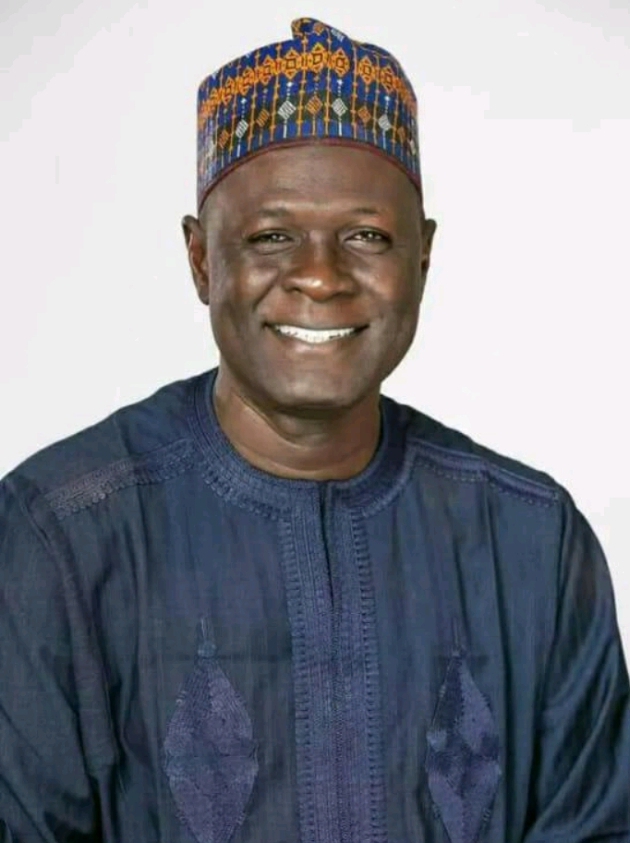
Reflections on Sen. Babangida Hussaini and Blueprint’s Best Senator Award
By Lawal Jet Kaugama
In a nation where public service is often marred by cynicism, mistrust, and declining ethical standards, Senator Babangida Hussaini’s emergence as the Best Senator in Nigeria by Blueprint newspapers on Tuesday, for his exceptional fight against drug abuse, stands out not just as a personal accolade, but a powerful symbol of what leadership ought to represent. Yet, this award tells only part of the story. Beyond his commendable anti-drug advocacy, Senator Hussaini exemplifies the kind of lawmaker Nigeria desperately needs—principled, proactive, people-focused, and deeply rooted in ethical governance.
For years, Nigeria has suffered from the scourge of drug abuse, especially among its youth, who form the bulk of the nation’s population. Senator Hussaini’s efforts in tackling this crisis have been both consistent and effective. His legislative interventions, public awareness campaigns, and collaborations with civil society groups and the National Drug Law Enforcement Agency (NDLEA) have helped to bring the menace of drug abuse to the forefront of national discourse. But more significantly, Hussaini has treated the issue not merely as a legislative concern, but as a human and moral challenge requiring compassion, diligence, and long-term policy vision.
However, it would be reductive to view Senator Hussaini’s leadership solely through the lens of his fight against narcotics. His broader approach to governance is grounded in transparency, inclusivity, and developmental impact. Representing his constituents with quiet tenacity, Hussaini has made it a point to engage directly with the people he serves—visiting communities, listening attentively to grievances, and translating those concerns into actionable parliamentary motions and bills. In an era where the “disconnect” between lawmakers and citizens is so stark, his style of grassroots engagement has brought a refreshing sense of purpose and sincerity to public office.
Education, infrastructure, and youth empowerment also lie at the heart of Senator Hussaini’s political agenda. Under his tenure, several schools and vocational training centres have received upgrades, with new facilities constructed in underserved rural areas. He has also prioritised access to scholarship opportunities and learning resources for students—initiatives that offer a crucial counterbalance to the causes of drug addiction and social unrest.
Hussaini’s interventions in infrastructure have not gone unnoticed either. From rural electrification projects to the construction of boreholes and road rehabilitation efforts, he has remained consistent in bringing development to the doorsteps of ordinary Nigerians. But unlike the typical grandstanding that accompanies such projects in Nigeria, Hussaini maintains a modest profile. He eschews ostentation, focusing instead on sustainability, accountability, and community ownership, values often missing in Nigeria’s public works programmes.
Another standout feature of his legislative career is his commitment to ethical reform within the Senate itself. At a time when many senators are seen as self-serving and complicit in Nigeria’s governance woes, Hussaini has maintained a reputation for probity and responsibility. He is known to reject frivolous allowances and has spoken publicly against the monetisation of politics, a position that has earned him both admiration and pushback from certain quarters. But in staying true to his values, he sends a strong message to younger politicians and the wider public: that it is possible to serve without being consumed by the system.
Perhaps what truly distinguishes Senator Babangida Hussaini is his moral compass. In a climate where many public officials thrive on manipulation, patronage, and ethnic sentiment, Hussaini has managed to remain both principled and inclusive. His political base cuts across religious and ethnic divides, and he has been vocal in promoting unity, tolerance, and mutual respect within his constituency and beyond. In moments of national tension, his voice has been one of reason and reconciliation—qualities that make him a natural bridge-builder in a deeply fractured polity.
It is also worth highlighting his legislative discipline. Unlike some lawmakers who use the red chamber as a retirement home or a platform for ego projection, Hussaini approaches the Senate as a serious avenue for nation-building. His attendance record is among the highest in the National Assembly, and he is known for his thoughtful contributions during debates. Whether advocating for youth employment, agricultural reform, or regional security, he comes prepared with facts, empathy, and vision.
Of course, no public servant is without flaws, and Senator Hussaini’s journey has not been without challenges. Yet, what sets him apart is his openness to critique and his consistent effort to learn and grow. He consults with policy experts, civil society, and even dissenting voices—always seeking to refine his approach. It is this humility, married with competence, that makes him not just a good senator, but a transformative one.
As Nigeria grapples with multiple layers of crisis—from economic instability to insecurity and institutional decay—leaders like Senator Babangida Hussaini offer a glimmer of hope. His Blueprint Newspapers award for championing the fight against drug abuse is richly deserved, but more importantly, it should serve as a call to emulate his model of public service.
In the end, nations rise not on the backs of slogans or wishful thinking, but on the shoulders of men and women who commit themselves to truth, justice, and the common good. Senator Babangida Hussaini, by all honest measures, fits that profile. Nigeria needs more of his kind.
Lawal Jet Kaugama, a commentator on national issues, writes from Kano