
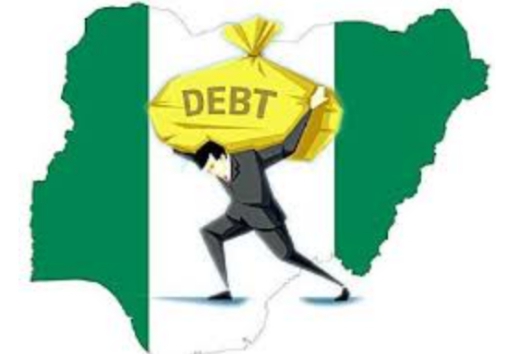
Editorial
Nigeria, rich country, poor people
Nigeria, the most populous black country in the world, is endowed with an abundance of human and natural resources, including oil, gas, minerals, and fertile arable land.
With a GDP of over $240 bn, Nigeria is considered one of the richest countries on the continent. However, despite its vast wealth, the country is home to some of the poorest people in the world.
This stark contrast between Nigeria’s wealth and its poverty is a paradox that demands urgent explanation.
Nigeria’s pocerty statistics are staggering. According to the World Bank, over 90 million Nigerians live on less than $1.5 a day, while the country’s poverty rate stands at an alarming 48 per cent.
On this land of African giant, the rich continue to get richer, with Nigeria’s political class enjoying some of the highest standards of living in Africa. This gross inequality is a recipe for social unrest, and it is imperative that the government takes decisive action to address it.
So, what is behind this country of plenty and lack? The answer lies in corruption, poor governance, and a lack of economic diversification.
For decades, Nigeria’s economy has been heavily reliant on oil exports, which has led to a lack of investment in agriculture, manufacturing, and infrastructure. This has resulted in a lack of job opportunities and a widening poverty gap, creating a reserved armed forces or unemployed youths.
Moreover, corruption has been a major obstacle to Nigeria’s developmental journey. Billions of dollars in oil revenues have been squandered or stolen over the years, leaving the country with little to show for its vast God-given wealth.
To bridge the gap between Nigeria’s wealth and the people’s poverty, the government must address the root of poverty and inequality, such as investing in education, healthcare, and infrastructure, as well as promoting economic diversification and job creation.
The government must also take bold steps to tackle corruption and ensure that the country’s abundant wealth is enjoyed by all citizens.
In all, Nigeria’s paradox of plenty and lack is an indictment of the country’s leadership and a betrayal of people’s trust. It is therefore, time the government took decisive action to address the root of poverty and inequality and ensure that Nigeria’s wealth is used to benefit all its citizens, not just a privileged few.
This hope is the reason that keeps ordinary Nigerians living despite the unprecedented rise in petrol price to the sky.