
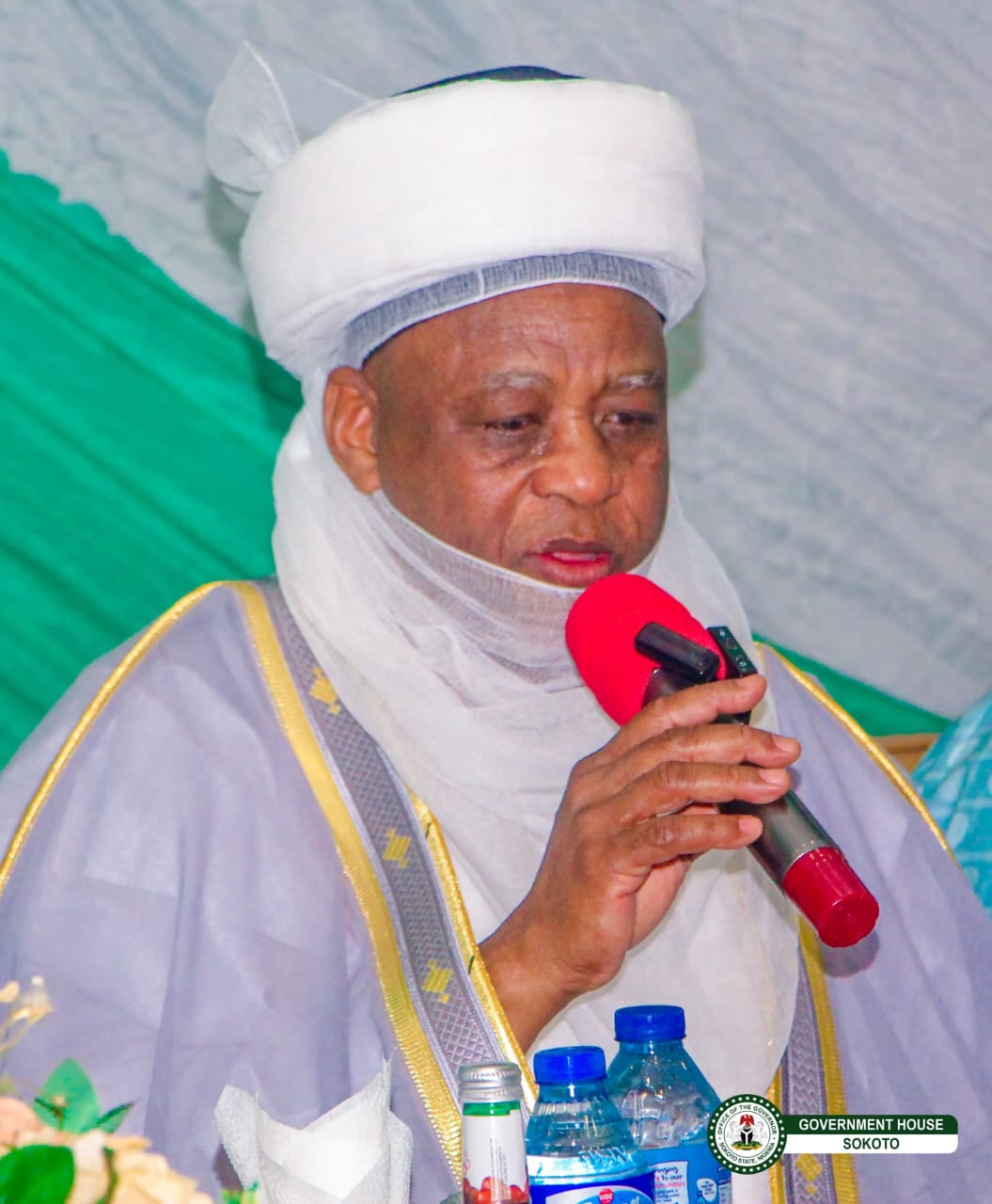
Sultan of Sokoto’s call to emulate Gov. Aliyu’s model for Nigeria’s progress
By Lawal Jet Kaugama
In the ever-evolving political landscape of Nigeria, the need for responsible, transformative leadership has never been more pressing. As the country grapples with issues ranging from economic instability to security challenges, the importance of visionary leadership that can inspire and enact positive change is vital. One such example of this leadership is exemplified by the Governor of Sokoto State, Ahmed Aliyu.
According to a release signed by Press Secretary to Sokoto State Government Abubakar Bawa, on Tuesday, the Sultan of Sokoto, one of the most respected religious leaders in the country, called on Nigerians to emulate the leadership qualities displayed by Governor Aliyu. This call is a timely reminder that Nigeria’s future lies in the hands of its leaders and that the country’s progress is dependent on the examples set by those in power.
Governor Ahmed Aliyu’s leadership style stands as a beacon of hope for Nigerians. His approach combines the pillars of unity, hard work, and a commitment to the welfare of the people, making him a leader who is truly focused on the betterment of his state and its people. Aliyu’s tenure as governor is marked by significant strides in areas such as infrastructure development, educational reforms, healthcare improvement, and social welfare programmes. His achievements, while impressive on their own, are a reflection of the integrity, dedication, and deep understanding of governance that he brings to his role.
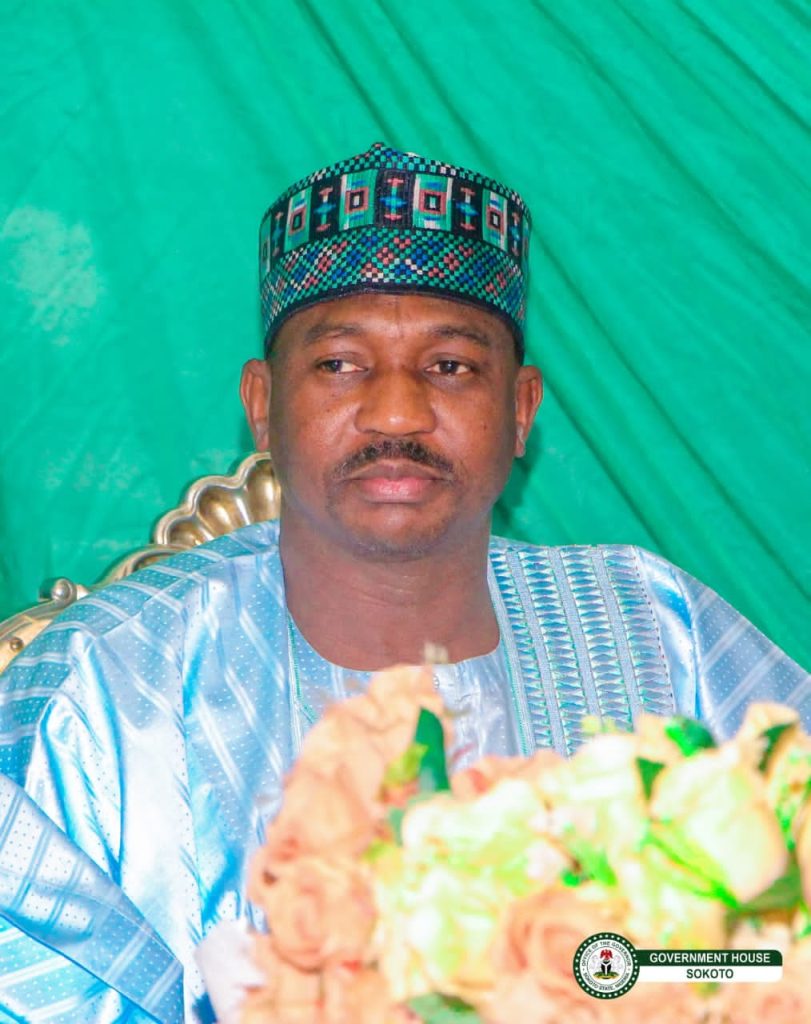
The Sultan’s endorsement of Aliyu’s leadership qualities is both timely and important. At a time when Nigeria is experiencing a range of crises, from the economic challenges facing families to the increasing insecurity across the country, the leadership of individuals like Governor Aliyu offers a refreshing example of what is possible when those in power are genuinely committed to serving the people. The call for Nigerians to emulate Aliyu is not merely about admiring his accomplishments but about adopting a mindset of effective leadership rooted in service, integrity, and accountability.
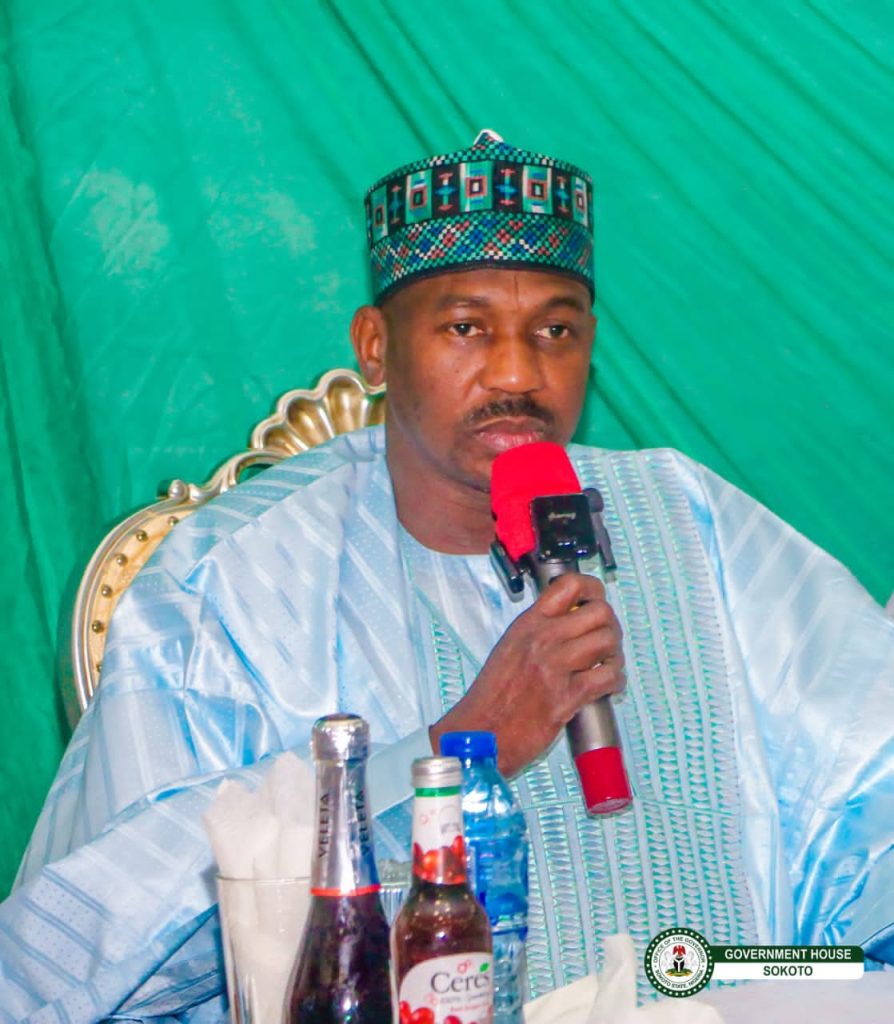
One key aspect of Aliyu’s leadership that is worthy of emulation is his emphasis on unity. In a nation as diverse as Nigeria, where ethnic, religious, and political divides often create rifts between communities, the importance of a unifying leader cannot be overstated.
Governor Aliyu has consistently worked towards bridging these divides by promoting inclusivity and ensuring that his policies benefit all sectors of society, regardless of their ethnic or religious background. This inclusive approach fosters peace and stability, creating a conducive environment for growth and prosperity. By calling for unity, Aliyu has demonstrated that leadership is not about dividing people, but about bringing them together for a common purpose: the advancement of society as a whole.
Furthermore, Aliyu’s commitment to economic development is another area where his leadership shines. His administration has implemented policies aimed at boosting local economies, creating jobs, and providing opportunities for the youth. These initiatives are essential in a country where youth unemployment remains a significant challenge. By providing an enabling environment for businesses to thrive, Aliyu has contributed to the reduction of poverty and improved the living standards of Sokoto State’s residents. This focus on economic development is a model for other Nigerian leaders to follow, especially in a time when the national economy is struggling.
In the realm of education, Governor Aliyu has also made considerable strides. He understands that a nation’s future lies in the hands of its youth, and as such, he has prioritized educational reforms that ensure access to quality education for all. His government has worked to build new schools, improve existing infrastructure, and invest in the training of teachers. By empowering the younger generation through education, Aliyu is not only preparing them for the future but also addressing the root of many social issues, including poverty and crime. His work in this area underscores the importance of long-term planning in governance, where investments in education today pave the way for a brighter tomorrow.
Healthcare is another area in which Aliyu has made significant contributions. With the global health challenges brought on by the COVID-19 pandemic, the need for effective healthcare systems has become even more evident. Aliyu’s administration has worked tirelessly to improve healthcare infrastructure, ensuring that citizens have access to quality medical care. In a nation where access to healthcare remains a challenge for many, his focus on this sector is commendable. The prioritization of healthcare as a basic human need and a crucial aspect of governance should be a model for leaders across Nigeria.
Perhaps one of the most remarkable aspects of Governor Aliyu’s leadership is his transparency and accountability. In an era where corruption has become synonymous with Nigerian politics, Aliyu’s insistence on good governance is a breath of fresh air. His administration has been marked by an openness in financial dealings, ensuring that public funds are used for the benefit of the people. This level of transparency not only enhances public trust but also sets a precedent for other leaders to follow. Nigerians have long yearned for a leadership that is accountable to the people, and Aliyu’s example offers hope that such leadership is possible.
The Sultan’s call for Nigerians to emulate Governor Aliyu’s leadership is, therefore, not just an endorsement of a single individual but a call to action for all Nigerian leaders. If Nigeria is to move forward, it will require leaders at every level who embody the same values of integrity, inclusivity, economic development, and social justice that Aliyu has demonstrated.
Moreover, it calls for citizens to hold their leaders accountable and demand that they live up to the standards set by exemplary leaders like Governor Aliyu.
However, while the call to emulate Aliyu’s leadership is admirable, it also requires a collective effort from all Nigerians to create an environment where such leadership can flourish. Citizens must actively engage in the democratic process, not just during elections but in holding their leaders accountable throughout their terms. Additionally, there must be a shift in the collective mindset towards leadership, one that prioritizes the common good over personal gain.
In conclusion, the leadership of Governor Ahmed Aliyu of Sokoto State offers a model for what is possible when a leader is genuinely committed to serving the people and working for the collective good. His focus on unity, economic development, education, healthcare, and transparency makes him a standout example of what Nigeria’s leaders can achieve when they prioritize the welfare of their people. The Sultan of Sokoto’s call for Nigerians to emulate Aliyu’s leadership is a clarion call for a more responsible, accountable, and visionary leadership across the country. By embracing these principles, Nigeria can pave the way for a brighter, more prosperous future for all its citizens.
Lawal Jet Kaugama, a commentator on national issues, writes from Kano