
Gov Namadi: Planting the seeds of industrial development in Jigawa
By Lawal Jet Kaugama
In Nigeria, many state governments chase quick ways and short-term visibility, but Gov Umar Namadi is quietly charting a different course. the path he chooses is deliberate, strategic, and ultimately transformative.
His approach is rooted in a simple but powerful idea: agriculture is not just about food; it is the foundation upon which enduring industrial growth can be built.
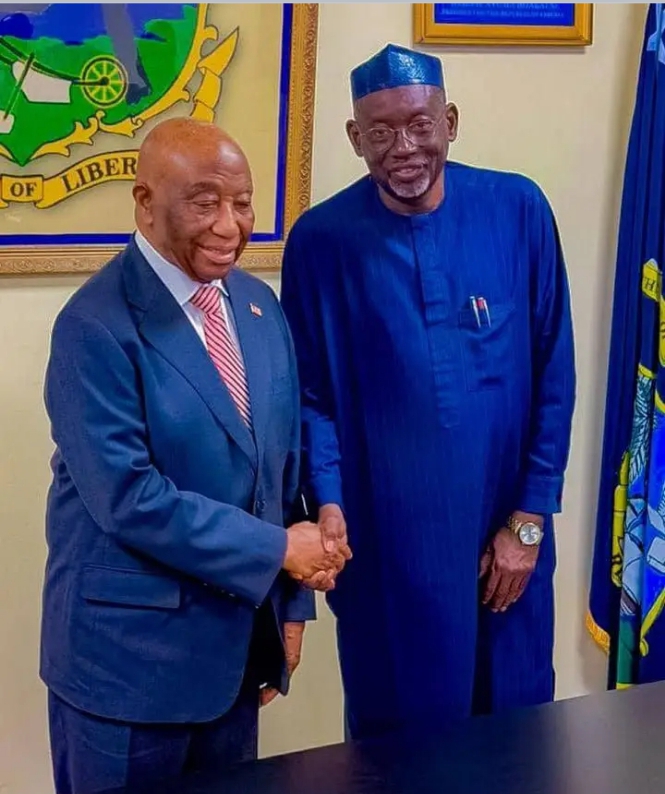
The recent engagements in Monrovia, Liberia, offer a clear window into this vision. Invited by Liberia’s Vice President, Jeremiah Kpan Koung Sr., and received by President Joseph Nyuma Boakai Sr., Gov Namadi’s mission was not ceremonial, it was practical. The focus of discussions—rice production and value chain development—reflects the governor’s broader ambition to position Jigawa not merely as an agrarian state, but as a hub of agro-industrial excellence.
For decades, agriculture in many parts of Nigeria has been treated largely as subsistence activity. Gov Namadi is working to change that narrative. His administration’s emphasis on the rice value chain, from production to processing, packaging, and distribution, signals a shift toward agriculture as a full-fledged industry.
This is where the real transformation lies. By strengthening each link in the chain, the state is not only increasing food production but also creating jobs, attracting investments, and stimulating local enterprise. Rice mills, storage facilities, logistics networks, and export opportunities all emerge from a well-developed agricultural ecosystem.
Liberia’s growing interest in Jigawa’s model is, therefore, no coincidence. It is a recognition that what is being built in Jigawa has relevance beyond Nigeria’s borders. When another sovereign nation begins to study and seek collaboration around your development model, it is a sign that something is working, and working well.
The visit to Liberia did not happen in isolation. It is part of a continuum. The earlier visit by Liberia’s Deputy Minister of Agriculture David Akoi, to Dutse laid the groundwork. What we are seeing now is the evolution of that engagement from dialogue to actionable collaboration.
This continuity is critical. It shows that the Namadi administration is not merely engaging in diplomatic optics but is committed to building partnerships that yield measurable outcomes. By involving institutions like InvestJ6igawa, technical experts, and private sector players, the governor is ensuring that these engagements translate into real investments and real impact.
Back home in Jigawa, the impact of these efforts is already resonating with the people. For many farmers, agriculture is no longer just a means of survival, it is becoming a pathway to stability and prosperity.
Across communities, there is a growing sense of pride and ownership in the state’s agricultural direction. Citizens are openly expressing appreciation for the governor’s vision, recognising that food security is not an abstract concept but something that directly affects their daily lives. The consistent message from the grassroots is clear: this is leadership that understands the people’s realities.
From prayers for wisdom and strength to words of encouragement urging the governor to “keep on doing the good job,” the public sentiment reflects both trust and hope. Many see in his policies the promise of jobs for the youth, improved incomes for farmers, and a more resilient local economy.
Building an Enduring Legacy.
What distinguishes Gov Namadi’s approach is its long-term orientation. Industrialisation does not happen overnight; it requires a foundation. By prioritising agriculture, he is laying that foundation in the most practical way possible.
Food security, job creation, and economic diversification are not separate goals, they are interconnected outcomes of a well-executed agricultural strategy. If sustained, this approach has the potential to redefine Jigawa’s economic identity and set a benchmark for other states.
Governor Namadi’s agricultural drive, therefore, is a blueprint for sustainable development. From the rice fields of Jigawa to the corridors of power in Monrovia, the message is consistent: real progress begins with getting the fundamentals right.
And as the people of Jigawa continue to voice their support and appreciation, it is evident that this vision is not only understood but embraced.
In their hopes, prayers, and endorsements lies the strongest validation of all, that leadership, when rooted in purpose and guided by clarity, can indeed transform lives.
If this trajectory continues, Jigawa may well become a model of how agriculture, when properly harnessed, can serve as the bedrock of enduring industrial growth, not just for Jigawa State, but for Nigeria as a whole.
Lawal Jet Kaugama, a commentator on national issues, writes from Kano