
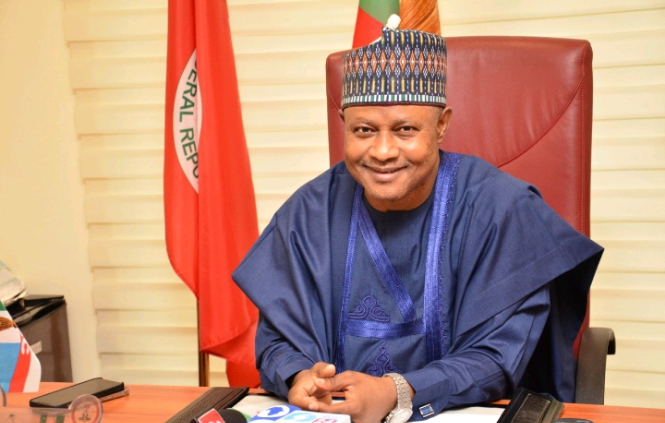
Kaduna: The silent transformations under Gov Uba Sani
By Uji A. Iliyasu
By all measurable standards, the administration of Uba Sani has steadily reshaped the governance landscape of Kaduna State through a combination of infrastructural development, rural transformation, education reforms, security interventions, and inclusive governance. Though his leadership style is often described as quiet and less confrontational, the changes unfolding across Kaduna State are significant and increasingly visible.
When Governor Uba Sani assumed office in May 2023, he inherited a state grappling with security challenges, infrastructural gaps, rural poverty, and educational deficits. Rather than continuing with a governance approach centred largely on urban renewal, his administration shifted focus toward rural development and social inclusion; a decision that has defined much of his governance philosophy.
One of the most noticeable transformations under his administration is in rural infrastructure development. Across several local government areas, the government embarked on the construction and rehabilitation of rural roads to connect farming communities with markets and urban centres. This has significantly improved transportation of agricultural produce, reduced post-harvest losses, and boosted local economies.
Many rural communities that previously felt neglected are now experiencing government presence through roads, bridges, boreholes, and electrification projects.
Another major area of achievement is security and peace building. Kaduna State had long faced insecurity, particularly in areas such as Birnin Gwari, Giwa, Kajuru, and parts of Southern Kaduna. Governor Uba Sani adopted a different strategy centred on dialogue, reconciliation, community engagement, and collaboration with security agencies.
Through peace initiatives and negotiations in some conflict-prone communities, there has been a gradual reduction in violent conflicts and banditry in several areas. While security challenges have not completely disappeared, many residents acknowledge improved road travel safety compared to previous years.
In the area of education, the administration has invested in school infrastructure, classroom renovation, and the construction of new primary and secondary schools, particularly in rural communities. The government also recruited teachers to address shortages in public schools and expanded access to basic education. The administration has also supported tertiary institutions in the state through funding and infrastructure support, recognising education as a long-term solution to poverty and insecurity.
Healthcare development is another sector where the government has recorded progress. The administration upgraded several primary healthcare centres across the state and improved staffing and medical supplies in rural health facilities. The government also initiated programmes aimed at maternal and child healthcare, immunisation campaigns, and improving access to basic health services for low-income communities.
Perhaps one of the most socially impactful achievements of the Uba Sani administration is financial inclusion and support for small businesses. Through partnerships with financial institutions, the state government facilitated access to loans and grants for traders, artisans, farmers, and small-scale entrepreneurs.
Thousands of women and youth reportedly benefited from empowerment programmes, which helped stimulate small businesses and local economies across the state.
The administration also prioritised agriculture, recognising Kaduna as an agricultural hub in Northern Nigeria. The government supported farmers with fertilisers, improved seedlings, tractors, and extension services. By promoting agriculture and agribusiness, the government aimed to create jobs, reduce poverty, and improve food production within the state.
In terms of urban development, the government continued road construction and urban renewal projects in Kaduna metropolis, Zaria, and Kafanchan, though at a more moderate pace compared to previous administrations. Several township roads were rehabilitated, drainage systems improved, and street lighting projects executed to improve urban mobility and safety.
Another important transformation under Governor Uba Sani is inclusive governance and political reconciliation. Kaduna politics had been highly polarised in previous years, but the current administration has attempted to build political bridges across ethnic, religious, and political divides. His government included people from different backgrounds and political interests, reducing political tension in the state and promoting a more inclusive governance environment.
The administration has also focused on youth development and skills acquisition. Through vocational training programmes, ICT training centres, and entrepreneurship support initiatives, many young people have been trained in various skills such as tailoring, welding, ICT, agriculture, and small business management. This is part of a broader strategy to reduce unemployment and youth involvement in crime.
In public service administration, the government cleared some outstanding liabilities, pensions, and gratuities owed to civil servants and retirees, improving morale within the state workforce. Payment of salaries and pensions has been more consistent, which has helped stabilise the livelihood of many families dependent on government employment.
Critics may argue that the pace of development is gradual and less dramatic compared to previous administrations, but supporters argue that the governor is laying foundations for sustainable development rather than pursuing projects only for political visibility.
His governance style appears focused on social stability, rural development, poverty reduction, and inclusive governance rather than headline-grabbing mega projects.
In all, the administration of Governor Uba Sani is gradually redefining governance in Kaduna State.
While challenges remain, particularly in security and economic development, the administration’s steady and people-centred approach suggests a long-term vision aimed at reducing inequality between urban and rural communities and building a more stable and economically productive Kaduna State.
If sustained, these policies and programmes may, in the long run, become the defining legacy of Governor Uba Sani’s leadership in Kaduna State.
Uji A.Iliyasu, a public affairs analyst, writes from Abuja.